There’s a particular smell that hits you when you walk into a small-town bingo night. It’s a mix of weak coffee, cheap ink dabbers, and the faint, sweet ghost of a hundred church potlucks. Honestly, it’s the smell of community. And for decades, that smell has meant one thing: it’s time to play.
Bingo nights in small-town community centers aren’t just games. They’re living history. They’re where the town gossip gets traded, where widows find a Tuesday night purpose, and where a $20 jackpot can feel like winning the lottery. Let’s dive into how this humble pastime became a cultural cornerstone.
From Church Halls to Community Centers: The Early Roots
Bingo didn’t start in small towns, of course. Its ancestors go back to 16th-century Italy, a lottery game called Il Gioco del Lotto d’Italia. But the version we know — the one with the cage, the cards, and the caller yelling “B-4!” — took shape in the United States in the 1920s and 30s. And it found a perfect home in church basements and fraternal lodges.
Why? Simple. It was cheap to run, easy to learn, and it brought people together. In small towns, the local community center — often the same building as the town hall or the VFW — became the natural gathering spot. By the 1950s, bingo nights were as American as apple pie and Friday night football.
The Golden Age: 1960s to 1980s
If bingo had a heyday, it was these three decades. Small-town community centers were packed. You’d see farmers in overalls next to schoolteachers in cardigans. Teenagers ran the snack bar. The caller — always a local character, usually a retired mailman or a church deacon — had a rhythm that felt like a heartbeat.
And the prizes? Sure, sometimes it was cash. But often it was a ham, a blanket, or a gift certificate to the local diner. That’s the thing about small-town bingo: the value wasn’t in the prize. It was in the ritual.
- Social glue: Bingo night was the one time everyone — rich or poor, old or young — sat at the same tables.
- Fundraising engine: Volunteer fire departments, libraries, and little league teams relied on bingo proceeds.
- Cultural touchstone: It showed up in movies, songs, and jokes. Think of the bingo scene in The Simpsons or the church bingo in Doubt.
But by the late 1980s, something shifted. Casinos expanded. Cable TV arrived. And younger families started moving to suburbs with bigger entertainment options. Bingo didn’t disappear — but it stopped being the only game in town.
The 1990s and 2000s: Decline, Then a Surprising Twist
Let’s be honest: for a while, bingo got a reputation. It was seen as “old people stuff.” Community centers struggled. Some closed. Others cut bingo to one night a month. The average age of players crept up. And the smell of those ink dabbers started to feel less like nostalgia and more like… well, mothballs.
But here’s the twist. Around 2010, something unexpected happened. Young people started showing up. Not in huge numbers, but enough to notice. Why? A few reasons:
- Retro appeal: Millennials and Gen Z discovered the charm of analog games — vinyl, board games, and yes, bingo.
- Social media: A night out at bingo made for great Instagram stories. The aesthetic was quirky and authentic.
- Community hunger: After years of digital overload, people craved face-to-face connection. Bingo delivered that without requiring small talk skills.
Sure, some traditionalists grumbled. “They’re not playing right,” you’d hear. “They’re too loud.” But mostly, the old-timers were just glad to see fresh faces. Because a bingo night with empty chairs is a sad thing indeed.
What Bingo Night Looks Like Today
Walk into a small-town community center bingo night in 2025, and you’ll see a blend. There’s still the 80-year-old woman with her lucky troll doll. But there’s also a table of 30-somethings drinking craft beer from a cooler. The caller might use a microphone app on his phone. The cards might be paper or digital tablets. And the prize table? It’s a mix of cash, gift cards, and yes — still the occasional ham.
| Decade | Typical Attendance | Main Prize | Vibe |
|---|---|---|---|
| 1960s | 80–120 people | Ham, cash ($5–20) | Church-social wholesome |
| 1980s | 50–90 people | Cash ($20–50) | Competitive, smoky |
| 2000s | 20–40 people | Gift cards | Quiet, aging |
| 2020s | 40–70 people | Cash, themed baskets | Mixed-age, casual |
That said, not every town is thriving. Some community centers still struggle with rising insurance costs and volunteer burnout. The pandemic hit bingo hard — months of closure, then hesitant returns. But the ones that survived? They came back stronger, with hybrid nights and outdoor summer bingo.
Why Bingo Still Matters in Small Towns
You might think bingo is just a game. But in a small town, it’s infrastructure. It’s the place where a new widow gets invited to sit with the church ladies. Where a shy teenager learns to call numbers without stuttering. Where a farmer can forget the drought for two hours.
It’s also a quiet act of resistance. Against loneliness. Against the algorithm. Against the idea that small towns are dying. Every Tuesday night, the lights flicker on in the community center, the coffee pot perks, and someone yells, “Bingo!” And for a moment, everything is right.
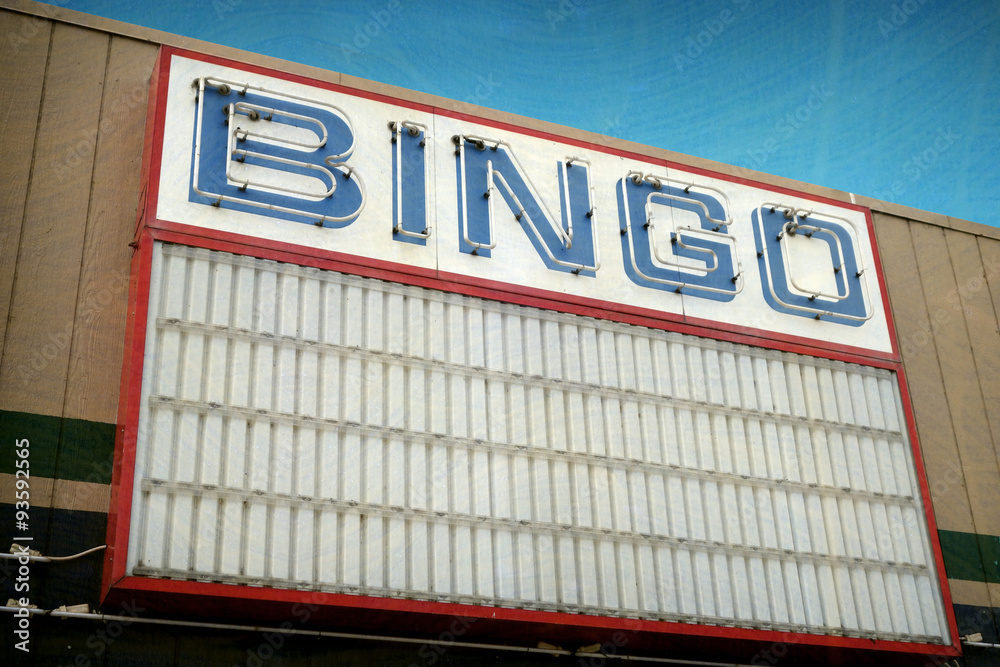
So if you ever drive through a town with a hand-painted sign that says “BINGO — EVERYONE WELCOME,” do yourself a favor. Pull over. Buy a card. You might win a ham. But you’ll definitely win something better.