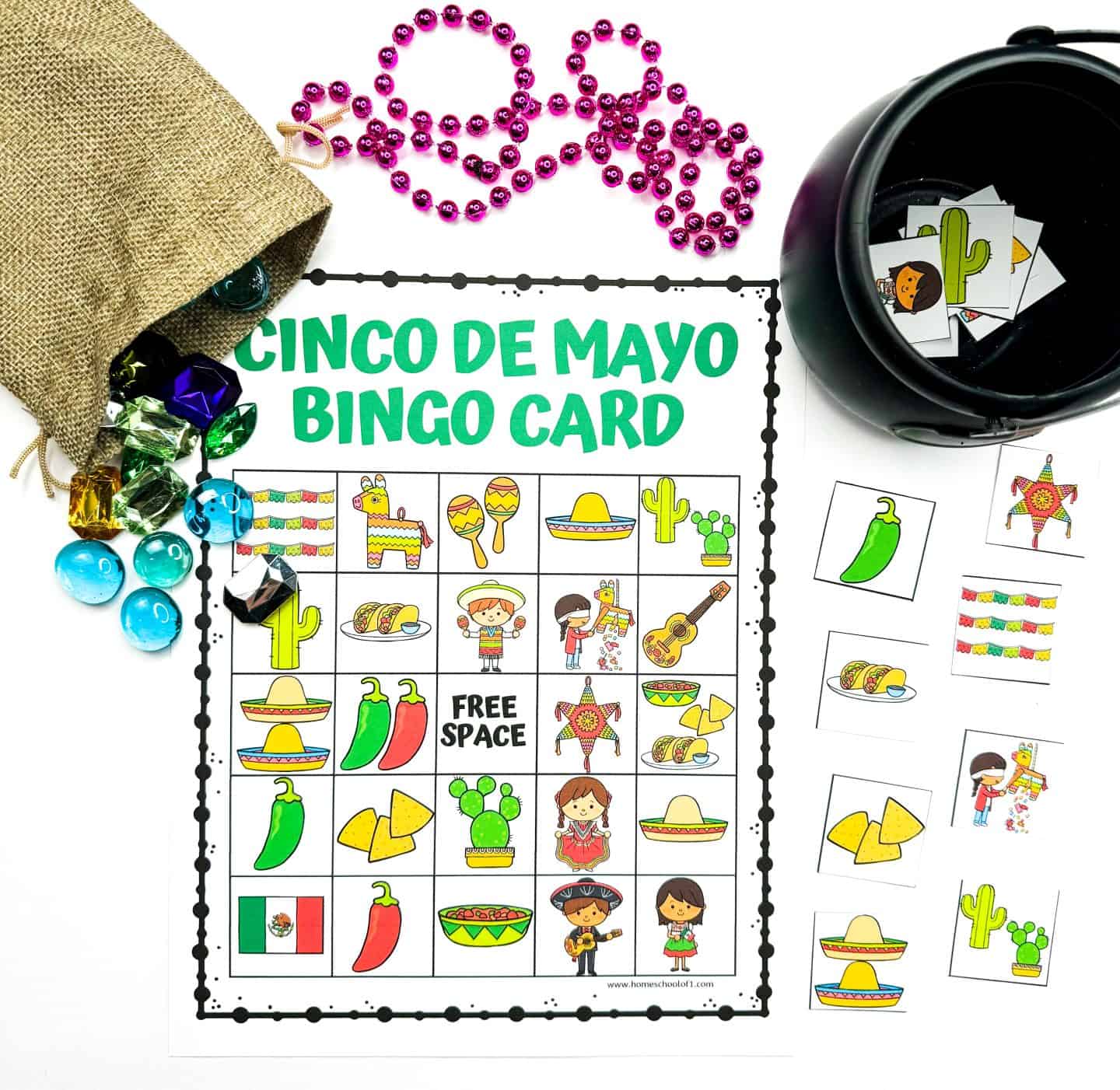
Let’s be honest. Sometimes, the classroom needs a jolt of energy. A new way to review vocabulary, practice math facts, or even introduce historical figures. You know the feeling—when you see those glazed-over looks and realize your lesson plan needs a shot of adrenaline. Well, here’s the deal: one of the most surprisingly effective tools for this is a humble game you probably associate with community halls and retirement parties. Bingo.
But not just any bingo. We’re talking about custom bingo cards for education. This isn’t about numbers and random chance. It’s about intentional, targeted learning disguised as pure, addictive fun. Think of it like a Trojan horse—you’re smuggling in core curriculum concepts under the cover of excitement and friendly competition.
Why Custom Educational Bingo Works (The Science of Fun)
Sure, games are fun. But the magic of a custom classroom bingo game goes deeper. It taps into several key learning principles at once. For starters, it’s active learning. Students aren’t just passively receiving information; they’re scanning, processing, and reacting. It creates a low-stakes environment for practice—mistakes feel like part of the game, not a mark on a paper.
Honestly, the repetition factor is huge. To win, students need to hear or see a term multiple times, reinforcing memory pathways without the monotony of flashcards. And let’s not forget the social element. The shared experience builds classroom community and can be a fantastic support for quieter students who thrive in collaborative settings.
Beyond the Basics: Unexpected Subject Applications
Most folks immediately think of sight word bingo for young readers. A classic! But the potential is so much wider. With a bit of creativity, you can design bingo cards for nearly any learning objective.
- Math Mania: Instead of numbers, use equations (e.g., “5 x 3”). You call out the product (“15!”), and they find the matching problem. Or use geometric shapes, fraction models, or even word problems.
- Science Sleuths: Create cards with images of lab equipment, animal classifications, or parts of a cell. You call out the function, and they identify the tool or component.
- History Hunt: Populate squares with historical events, portraits of figures, or primary source quotes. As you describe the significance, students mark their boards.
- Language Learning: For world languages, use the target language for both the squares and the calls. Picture bingo for nouns, verb conjugation bingo… the possibilities are endless.
See? It’s a versatile framework. The core mechanic stays familiar, which means you spend zero time explaining rules, and all the time on actual learning.
How to Create Your Own: Tools and Tactics
Okay, so you’re sold on the idea. Now, how do you actually make custom bingo cards for school? You’ve got options, from wonderfully analog to brilliantly digital.
The Hands-On, Crafty Approach
Sometimes, simple is best. Grab some grid paper, rulers, and markers. Have students create their own cards as part of the learning process—they have to select and write terms from a provided list, which is a review activity in itself. It’s messy, personal, and wonderfully tactile. This method is perfect for one-off reviews or when you want to integrate an arts-and-crafts element.
The Digital Power-Up
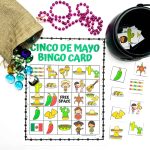
For speed, reusability, and a polished look, online bingo card generators for teachers are a lifesaver. You simply input your list of terms (say, 30 vocabulary words), and the software randomizes them into 25 unique cards. You hit print, and you’re done. Many also allow image integration, which is a game-changer for younger grades or visual subjects.
The real beauty here? You save the template. That unit on ecosystems you teach every spring? Your bingo cards are already made, ready to be pulled out and printed again. It’s a time investment that pays dividends year after year.
| Method | Best For | Consideration |
| Hand-Drawn Cards | One-time use, student creation, craft integration | Time-consuming, less uniform |
| Online Generator | Reusable activities, large classes, quick prep | Requires tech access, can feel less personal |
| Word Processor (e.g., Docs) | Full control, simple text-based cards | Manual randomization is tricky |
Pro Tips for Classroom Bingo Success
Creating the cards is half the battle. Running the game effectively is what makes it sing. Here are a few hard-won tips from teachers who use this strategy all the time.
- Clarify the Call: Be explicit about what you’ll be saying. “I will read the definition. You find the term on your card.” Or, “I will show a picture on the screen. Find its name on your board.”
- Mix Up the Prize: The reward doesn’t have to be candy. Try extra recess minutes, a homework pass, the honor of being “caller” next time, or simply a triumphant victory dance. The social win is often enough.
- Encourage Engagement for All: Use a “walking bingo” variation where students mingle to find peers who can answer questions in their squares. Or play in teams to foster collaboration.
- Don’t Stop Playing at “Bingo!”: Keep going for a blackout, or for second and third place. This extends the practice time for everyone.
The Real Win: More Than Just a Game
In the end, a custom educational bingo activity does something profound. It reframes the classroom. The dynamic shifts from teacher-versus-material to a shared challenge. You become the facilitator of fun, and the curriculum becomes the path to victory. You’ll hear things like, “Can we play again?” about reviewing grammar rules. Let that sink in.
It breaks up the routine, it gives you instant, informal assessment data—you can see immediately who’s struggling to match the concept—and it builds those little moments of joy that make a classroom a community. The slight awkwardness of a hand-drawn card, the collective groan when a needed square doesn’t appear, the eruptive cheer from a usually quiet student who finally gets a bingo… these are the textures of a living, learning space.
So, the next time you’re planning a review session or introducing a new set of terms, maybe don’t reach for the standard worksheet first. Consider the humble bingo grid. With a little customization, you’re not just filling squares. You’re sparking connections.