Let’s be honest — the thrill of a casino is rarely about the money itself. It’s about the rush, the near-miss, the sound of coins clattering. That dopamine hit when you line up three cherries? Pure magic. But what if you could get all that excitement without risking a single dollar? That’s the whole idea behind social casino gamification without real money stakes. And honestly? It’s kind of genius.
Wait — What Exactly Is a Social Casino?
Well, think of it like this: you know those free slots apps on your phone? The ones where you get a bunch of virtual coins every day and spin to your heart’s content? That’s a social casino. No real money is wagered. No actual cash is lost or won. Instead, you’re playing for fun — for bragging rights, for leaderboard glory, for the sheer joy of the game.
But here’s the kicker — these platforms are incredibly sticky. They use psychology, game mechanics, and a dash of social pressure to keep you coming back. And since there’s no financial risk, players feel free to experiment, play longer, and engage more deeply. It’s like a playground for the gambler’s brain — minus the hangover.
The Secret Sauce: Gamification Mechanics
So how do these platforms hook you without the lure of cash? It’s all about the design. Gamification is the art of turning a boring activity into something addictive. And in social casinos, it’s a finely tuned machine. Let’s break down the core elements:
- Virtual currencies — Coins, chips, gems. They feel valuable, even though they’re worthless. You earn them, you spend them, you hoard them. It’s weirdly satisfying.
- Progression systems — Leveling up, unlocking new games, earning badges. It’s the same dopamine loop as video games. You feel like you’re achieving something.
- Daily rewards and streaks — Log in today, get 500 coins. Log in tomorrow, get 1,000. Miss a day? Your streak resets. That fear of loss — even of imaginary coins — is powerful.
- Leaderboards — Nothing fuels competition like seeing your friend’s name above yours. Suddenly, you’re spinning slots at 2 AM just to beat Karen from accounting.
And let’s not forget the near-miss effect. You know when the reels stop just one symbol short of a jackpot? That’s not an accident. It’s designed to keep you spinning. Without real money, that near-miss feels exciting rather than devastating. It’s a safe thrill.
Why No Real Money? A Few Surprising Benefits
You might wonder — why bother with fake stakes? Well, there’s a whole ecosystem of reasons. For starters, it’s legal in most places where real-money gambling is restricted. But beyond that, it’s actually healthier for players.
Here’s the deal: when money’s on the line, anxiety creeps in. You play tighter, you chase losses, you get stressed. Without real stakes, you can relax. You can try crazy strategies. You can laugh when you lose. It’s pure entertainment — no financial hangover.
And for developers? It’s a goldmine. Players spend hours in these apps, and monetization comes through microtransactions — buying more virtual chips, cosmetics, or VIP passes. It’s a model that works because the core experience is fun, not predatory.
The Social Side — It’s Not Just Solitaire
One thing that separates social casinos from traditional ones is the community aspect. You can send gifts to friends, compete in tournaments, or chat while spinning. It’s like a virtual casino night without the smoky room or the awkward small talk.
Some platforms even let you form “clubs” or “alliances.” You work together to unlock collective rewards. That sense of belonging? It’s a huge driver. People stay for the games, but they return for the friends.
Designing the Perfect Gamified Experience
If you’re building one of these platforms — or just curious — there’s a fine art to it. You can’t just slap a slot machine in an app and call it a day. You need a loop that feels rewarding, not manipulative.
Here’s a quick comparison of what works versus what doesn’t:
| Good Gamification | Bad Gamification |
|---|---|
| Clear goals and progress bars | Vague, endless grinding |
| Meaningful choices (pick your bonus) | Autoplay that feels robotic |
| Social features that feel organic | Spammy notifications every 5 minutes |
| Balanced difficulty — not too easy, not too hard | Unfair RNG that frustrates players |
| Rewards that feel earned, not begged | Pay-to-win mechanics that kill fun |
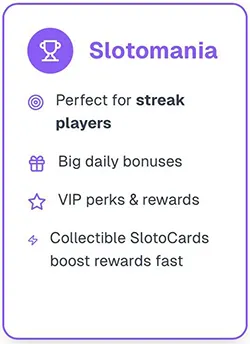
The best social casinos — like Slotomania or House of Fun — nail this balance. They give you just enough wins to keep you hooked, but not so many that it feels pointless. It’s a tightrope walk, honestly.
Trends You’ll See in 2025 and Beyond
So what’s next? Well, the industry is moving fast. Here are a few things bubbling up:
- AI-driven personalization — Games that adapt to your play style. If you love high-risk slots, the system offers more volatility. If you’re a casual spinner, it dials back the intensity.
- Augmented reality (AR) integration — Imagine spinning a slot machine that appears on your coffee table. Some apps are already testing this.
- Cross-platform play — Start a game on your phone, continue on your tablet, and compete on your PC. Seamless.
- Blockchain-based virtual goods — Owning a rare virtual chip that’s verified on the blockchain? It’s coming. Not for real-money gambling, but for digital collectibles.
These trends keep the experience fresh. And since no real money is involved, regulators are more lenient — which means more room for innovation.
But Is It Ethical? Let’s Talk About That
Look, I’m not gonna sugarcoat it. Social casinos borrow heavily from real gambling mechanics. The same psychological triggers — variable rewards, loss aversion, the illusion of control — are all present. For some people, especially those with a history of gambling addiction, these games can be a slippery slope.
That said, the lack of real money stakes is a huge difference. You can’t lose your rent money. You can’t go into debt. The worst that happens is you waste an afternoon spinning virtual reels. For most players, it’s harmless fun.
Good developers add responsible gaming features: spending limits, time alerts, and easy ways to take a break. If you’re designing one of these games, please — put player well-being first. It’s not just ethical; it’s good business.
How to Get the Most Out of Social Casinos (Without Losing Your Mind)
If you’re a player, here’s some unsolicited advice: treat it like a hobby, not a job. Set a timer. Don’t buy virtual chips impulsively. And remember — those coins are fake. They don’t matter. What matters is the fun you have along the way.
Personally, I love the social tournaments. There’s something about competing against strangers — or friends — that makes each spin feel electric. And when I lose? I just shrug. It’s all pretend anyway.
The Bottom Line: Why This Model Works
Social casino gamification without real money stakes isn’t a gimmick. It’s a legitimate evolution of entertainment. It gives people the excitement of a casino — the lights, the sounds, the tension — without the risk. It’s like a rollercoaster that never derails.
And for marketers? It’s a dream. High engagement, low churn, and a built-in monetization loop. But the real magic is in the details: the little animations, the surprise bonuses, the feeling of leveling up. That’s what keeps players coming back.
So next time you spin a virtual slot, pay attention to how it makes you feel. Notice the anticipation. The little burst of joy when you win. The mild frustration when you don’t. That’s gamification at work — and it’s a beautiful, harmless dance.
In a world where everything is serious, sometimes you just need a place to play pretend. Social casinos give you that. No wallet required.