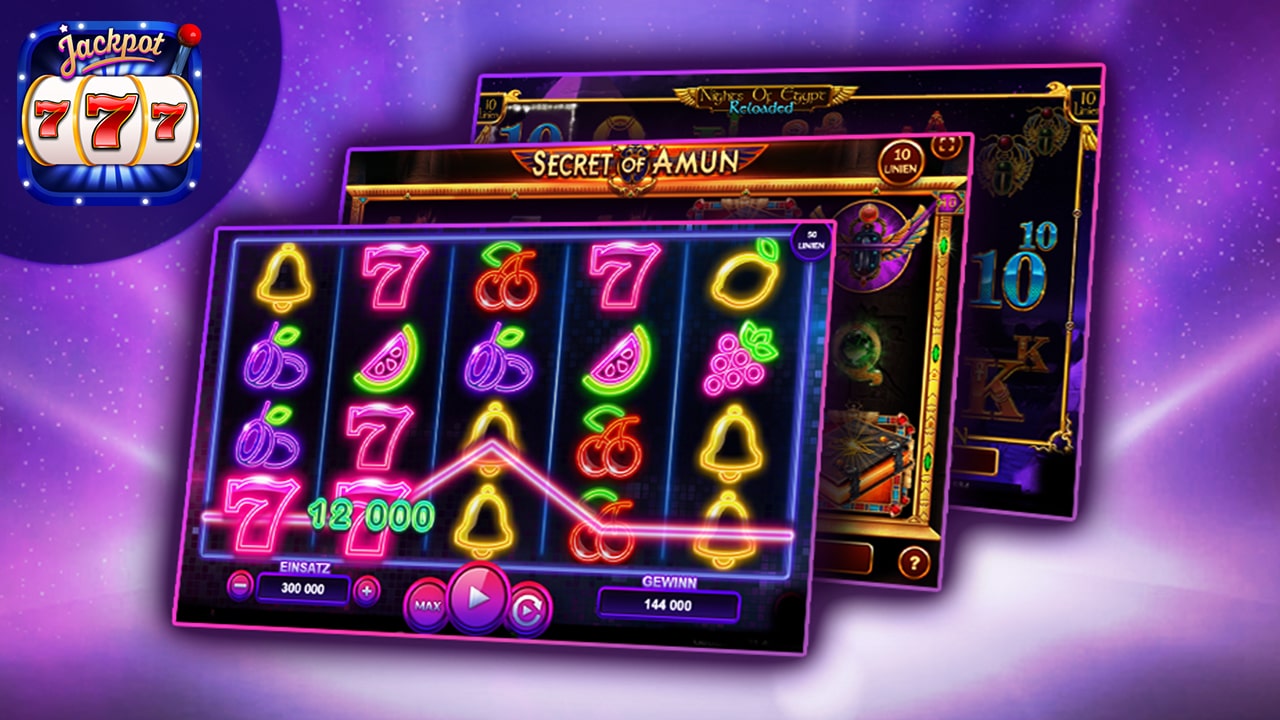
Slot games are a sensory experience. The flashing lights, the chimes, the spinning reels — it’s a carnival in your pocket. But for neurodivergent players, that carnival can sometimes feel like a chaotic funhouse. Or, well, it can feel like a soothing rhythm. It really depends on the brain in question.
Let’s be honest: the gaming industry hasn’t always designed with neurodiversity in mind. Most slots are built for the “average” player — a mythical creature who loves loud noises and rapid-fire stimulation. But that’s changing. Slowly but surely, developers are realizing that art style isn’t just decoration. It’s accessibility. It’s comfort. It’s a doorway.
So, let’s dive into the world of slot game art styles through a neurodivergent lens. Whether you’re on the autism spectrum, have ADHD, or deal with sensory processing sensitivities, the visuals matter just as much as the RTP.
Why Art Style Matters More Than You Think
For many neurotypical players, a slot’s theme is just a background. It’s nice, sure, but it’s not the main event. For neurodivergent players? The art style can be the difference between a relaxing session and an overwhelming one.
Think of it like this: some people need a quiet library to focus. Others thrive in a bustling coffee shop. Neither is wrong. But if you force the library lover into a rave, they’ll shut down. Slot games are the same. A hyper-stimulating, neon-drenched, explosion-heavy slot might be perfect for one player and absolute torture for another.
Key takeaway: Art style isn’t just aesthetic. It’s a sensory filter. It dictates how safe, engaging, or exhausting a game feels.
The Big Three: Art Styles That Work (and Why)
Not all art styles are created equal when it comes to neurodivergent accessibility. Here are three broad categories that tend to resonate — each with its own pros and potential pitfalls.
1. Minimalist and Flat Design
Minimalism is the quiet library of slot art. Think clean lines, muted colors, and plenty of negative space. No clutter. No chaotic animations. Just the essentials.
For players with ADHD or sensory processing issues, this can be a lifesaver. There’s less to track. Less visual noise. The brain doesn’t have to work overtime to filter out distractions. Games like Reel Quiet (yes, that’s a real niche) or simplified versions of classic fruit slots fall into this camp.
But here’s the catch: some neurodivergent players actually need stimulation to stay engaged. Minimalism can feel boring. Flat. Unrewarding. So it’s not a universal fix — just a solid option for the overstimulated crowd.
2. Stylized Cartoon and Hand-Drawn Art
This is the cozy blanket of slot art. Think soft edges, friendly characters, and warm color palettes. The art feels human. Imperfect. Approachable.
Many autistic players gravitate toward these styles because they’re predictable in their unpredictability. A cartoon dragon doesn’t suddenly turn photorealistic. The rules of the visual world stay consistent. That consistency builds trust.
Games like Piggy Riches or Finn and the Swirly Spin use this approach. The animations are bouncy but not jarring. The colors are vibrant but not aggressive. It’s a sweet spot for many.
3. Retro Pixel and 8-Bit Styles
Nostalgia is a powerful thing. Pixel art — those chunky, blocky graphics from the 80s and 90s — offers a very specific kind of comfort. It’s structured. Grid-based. Predictable.
For neurodivergent players who love patterns and systems, pixel art slots can be deeply satisfying. Every sprite is deliberate. Every animation frame is countable. There’s no ambiguity.
That said, the limited color palettes and sharp edges can feel harsh to some. And the rapid flashing that often accompanies retro themes? That’s a no-go for photosensitive players. So, moderation is key.
A Quick Comparison Table
| Art Style | Best For | Potential Drawbacks |
|---|---|---|
| Minimalist / Flat | Sensory sensitivity, ADHD | Can feel under-stimulating |
| Stylized Cartoon | Autism, anxiety | Some animations may still be busy |
| Retro Pixel | Pattern-seeking, nostalgia | Flashing lights, harsh edges |
| Photorealistic / 3D | Immersion seekers | Often overwhelming, uncanny valley |
| Abstract / Geometric | Focus, calm | Can lack emotional hook |
What About Photorealistic and 3D Slots?
Here’s the deal: photorealistic slots are usually a miss for neurodivergent players. Not always, but often. The uncanny valley — that creepy feeling when something looks almost human but not quite — hits harder for many autistic and ADHD players. Plus, the visual complexity is through the roof. Every leaf, every shadow, every reflection demands attention.
And 3D animations? They can trigger motion sickness or vertigo in sensitive individuals. So, unless the game offers a “reduce motion” toggle (rare, but growing), it’s a risky choice.
Practical Tips for Choosing a Slot That Works for You
You don’t need a degree in game design to find a slot that fits your brain. Just ask yourself a few simple questions before you spin.
- How do I feel right now? Overstimulated? Go minimalist. Understimulated? Try cartoon or pixel.
- Do I need predictability? Look for games with consistent animation loops and no sudden jump scares.
- Are there flashing lights? Check the game preview. If it strobes, skip it.
- Can I mute the sound? Sometimes visuals are fine, but audio is the dealbreaker. Most slots let you mute.
- Is there a “reduce motion” option? Still rare, but some modern slots include it. Support those developers.
The Industry Is Slowly Catching Up
Honestly, we’re not there yet. Most slot developers still treat accessibility as an afterthought. But there are signs of progress. Some studios now offer colorblind modes. Others let you toggle background animations off. A few even publish sensory guides.
It’s not enough. But it’s a start. And as more neurodivergent players speak up — through reviews, forums, and social media — the pressure builds. Game art isn’t just about looking pretty. It’s about making players feel welcome. Or, at the very least, not overwhelmed.
Final Thoughts: Design for the Margins, Benefit the Middle
There’s a principle in design: when you build for people with disabilities, you often make things better for everyone. Curb cuts were made for wheelchairs, but they help parents with strollers, travelers with suitcases, and delivery workers with dollies.
The same goes for slot game art. A minimalist option helps a player with sensory overload — but it also helps someone playing on a crowded bus. A “reduce motion” toggle helps an autistic player — but it also helps someone with a migraine.
Neurodivergent players aren’t a niche. They’re a massive, diverse, and loyal audience. And they deserve slot games that don’t just tolerate their needs — but celebrate them. The art style is the first handshake. Make it a good one.