
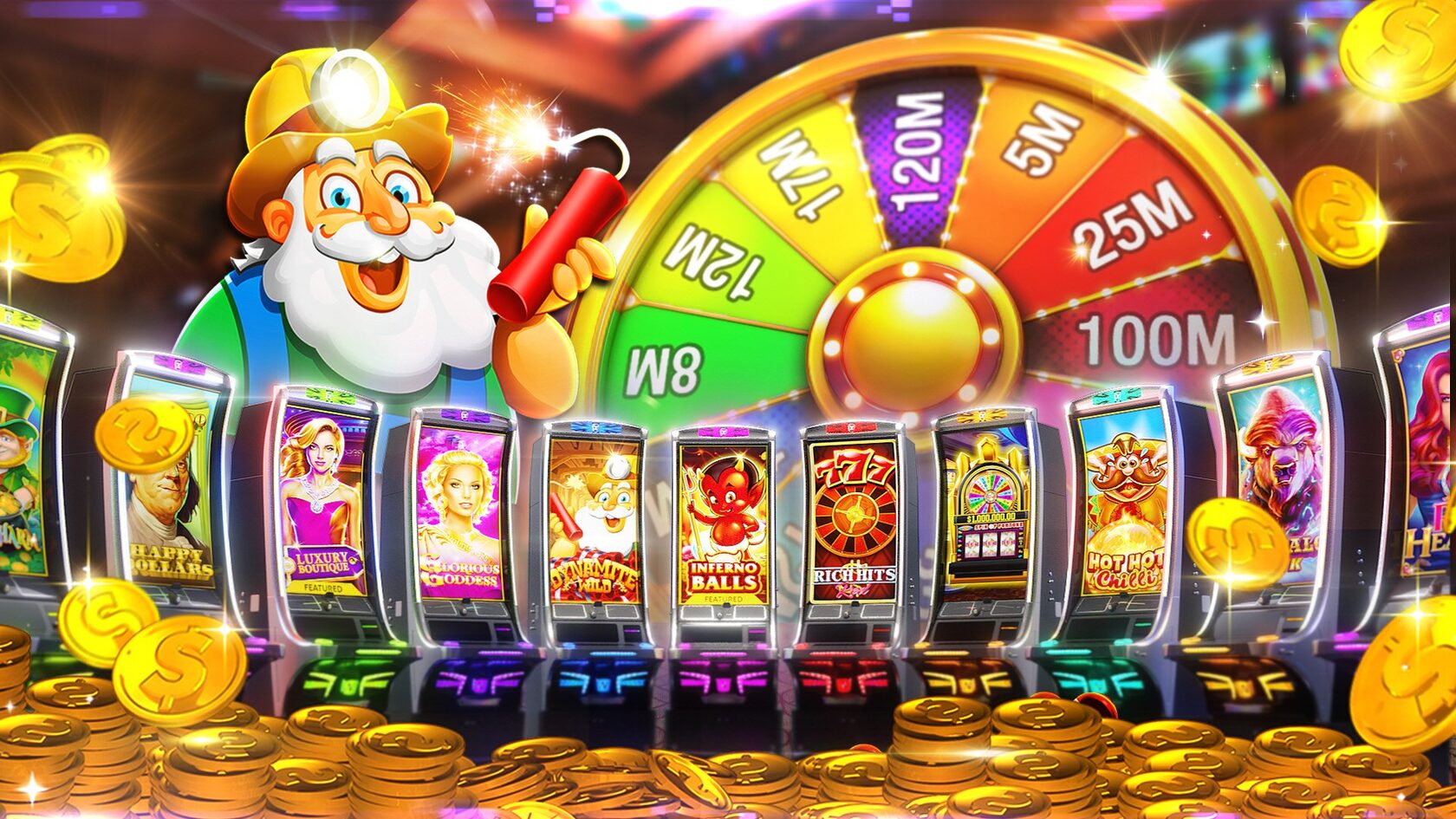
Think about the last time you played an online slot. The lights, the sounds, the thrill of the spin—it’s a universal rush. But here’s the thing: for decades, that experience was the same for everyone. The game didn’t know you from the next player. It was a one-size-fits-all digital machine.
That’s changing. Fast. Artificial intelligence is quietly revolutionizing the slot game landscape, shifting it from a static pastime to a dynamic, deeply personal journey. It’s not just about fancy graphics anymore; it’s about creating a game that feels like it was designed for you. Let’s dive into how AI is making that happen.
Beyond Random Number Generators: AI as the New Game Architect
Sure, the core of any slot is still its Random Number Generator (RNG), ensuring fair play. But AI operates on a different layer—it’s the architect of your experience around that randomness. It analyzes staggering amounts of data in real-time: your play speed, your bet sizes, the times you log in, the features you trigger most, even the moments you seem to pause or take a break.
This isn’t about rigging outcomes. It’s about tailoring everything else. Imagine walking into a casino where the lights, music, and even the seat adjust to your known preferences before you even sit down. That’s the promise of AI in slot personalization.
How AI Personalization Actually Works: The Nuts and Bolts
So, what does this look like in practice? Well, it’s a mix of subtle nudges and overt adaptations. Here are a few key mechanisms:
- Dynamic Difficulty & Bonus Triggers: AI can subtly adjust the frequency of bonus rounds or free spins based on your engagement level. A player showing signs of boredom might be offered a feature round sooner to re-engage them, while a highly engaged player might experience a longer build-up for greater anticipation. It’s a balancing act.
- Personalized Game Recommendations: Ever notice how Netflix knows what you want to watch next? Slots are getting that same intelligence. AI analyzes your play history to suggest new games with similar volatility, themes (do you love ancient Egypt or cute animals?), or bonus structures you’ve enjoyed before.
- Adaptive In-Game Elements: This is where it gets sci-fi. The game’s soundtrack might shift to a genre you listen to elsewhere. The color scheme could change. Some prototypes even experiment with narrative-driven slots where the story branches based on your choices, with AI writing dialogue or quests on the fly.
The Player’s Journey: From Anonymous to Known
For the player, this shift is profound. The experience becomes less about mindlessly hitting ‘spin’ and more about feeling seen by the game itself. That sense of recognition—of a tailored experience—is incredibly powerful for retention. You’re not just a wallet; you’re a participant with unique patterns.
Honestly, it also addresses a major pain point: overwhelm. With thousands of slots available, choice paralysis is real. AI-driven personalization cuts through the noise, acting as a savvy concierge guiding you to your next favorite game. It saves time and reduces frustration.
A Double-Edged Sword: Responsible Gaming and the Ethical Layer
We have to talk about this. With great power comes great responsibility, right? The same AI that can create a captivating, fun experience can also identify vulnerable behavior patterns. The real test for the industry is how this technology is applied.
Ethical operators are now using AI for player protection and safer gambling. The system can detect subtle shifts in behavior that might indicate distress—chasing losses, drastic increases in deposit frequency, extended play sessions. It can then trigger responsible gambling tools, like personalized timeout suggestions or deposit limit reminders, in a timely and caring way.
That said, the line between engagement and exploitation is thin. The industry must—and is being forced to—prioritize this ethical layer. Transparency about how data is used is no longer optional; it’s a cornerstone of trust.
What’s Next? The Future of AI-Powered Slots
We’re just scratching the surface. The future points toward hyper-personalization. Think about integrating with other data streams (with clear consent, of course). A player who enjoys fantasy novels on their connected e-reader might log in to find a new slot with a lore-rich, Tolkien-esque theme recommended front and center.
Or consider generative AI creating unique, one-off bonus games tailored to a player’s history. The symbols, the mini-game mechanics, the rewards—all generated uniquely for that session, making it a truly unrepeatable event. It’s the ultimate move from a packaged product to a live service.
| Current AI Personalization | Future AI Potential |
| Recommendation engines | Fully generative, unique game rounds |
| Adjusting bonus frequency | Dynamic, adaptive storylines |
| Basic behavioral prompts for safety | Holistic wellness integration & predictive care |
| Static themes with dynamic math | Themes & assets that morph based on player mood |
The role of AI in personalizing slot games, then, is fundamentally about connection. It’s a bridge between the cold mathematics of chance and the warm, messy, unpredictable nature of human preference. It turns a solitary activity into a dialogue—a back-and-forth between player and platform.
In the end, the slot machine is learning to listen. And that changes everything. Not just how we play, but how we feel while we’re playing. The question isn’t really whether AI will personalize our game experiences—it already is. The real question is, how will we, as players and as an industry, choose to shape that conversation?