
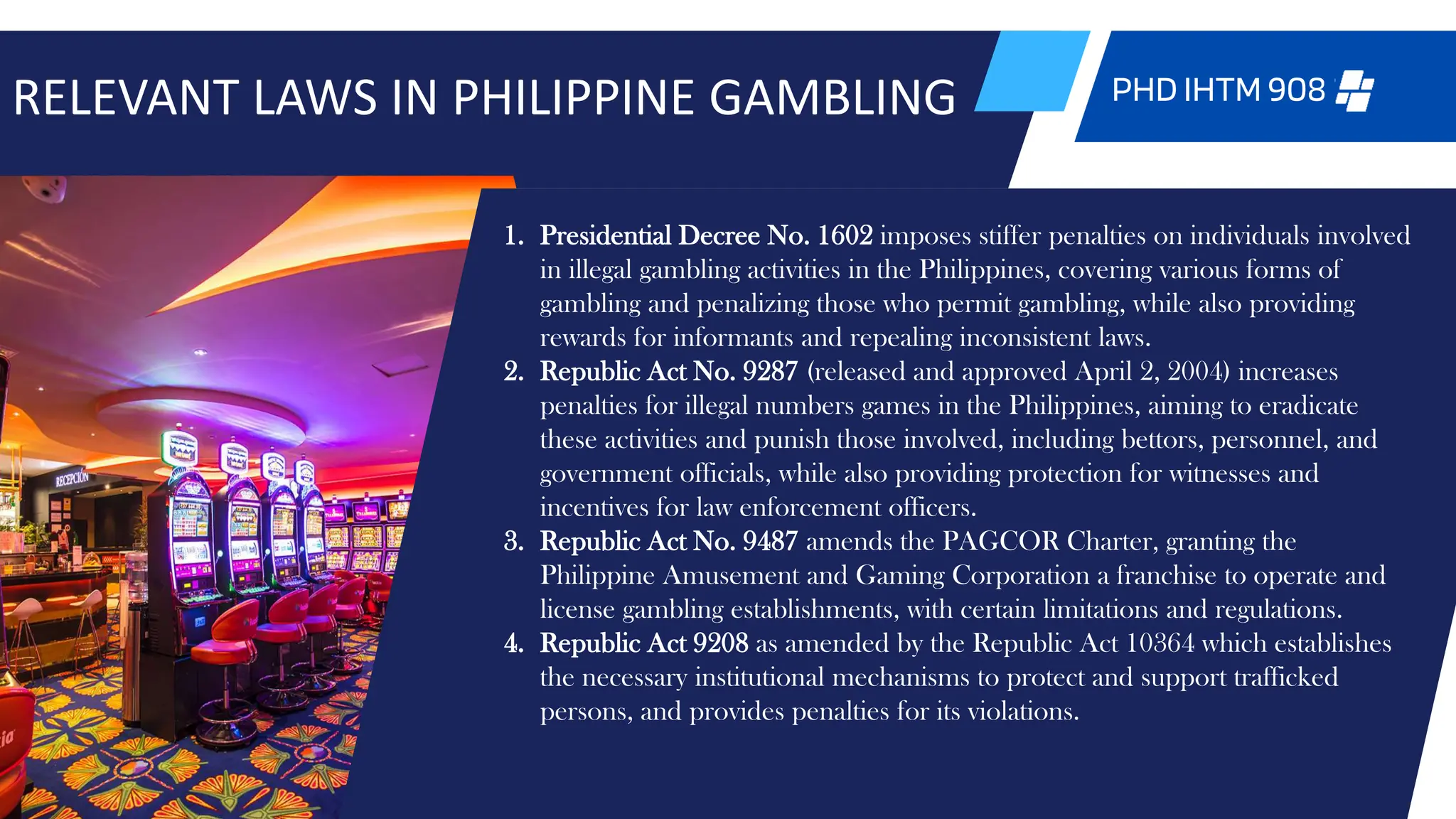
Let’s be honest—when you sit down at a slot machine, the last thing on your mind is a government regulator. You’re thinking about neon lights, the clatter of coins (or the digital equivalent), and that tantalizing spin. But here’s the deal: behind every payout percentage, every bonus round frequency, and every heart-stopping dry spell, there’s a thick binder of rules. Regulatory impact on slot game volatility is real, and it’s shaping your experience more than you might realize.
Think of it like this—if a slot game were a wild river, volatility would be the rapids. Some rivers are calm, steady streams (low volatility). Others are raging, unpredictable torrents (high volatility). Regulators? They’re the dam builders. They don’t control every drop of water, but they sure as heck decide how fast it flows, when it floods, and who gets to drink.
What Exactly Is Slot Volatility, Anyway?
Before we dive into the regulatory swamp, let’s get our bearings. Volatility—sometimes called variance—is the statistical measure of how often a slot pays out and how big those payouts are. Low volatility slots hit frequently but with smaller prizes. High volatility slots? You might spin fifty times without a win, then suddenly hit a jackpot that makes your eyes water.
Here’s where it gets tricky—volatility isn’t a fixed number like RTP (Return to Player). It’s more of a behavioral fingerprint. And regulators, bless their hearts, have strong opinions about that fingerprint.
The Big Three: How Regulators Sway the Volatility Scale
Not all regulations are created equal. In fact, different jurisdictions take wildly different approaches. Let’s break down the main ways rules trickle down to the reels.
1. RTP Floors and Ceilings
Most regulated markets—think the UK, Sweden, or New Jersey—mandate a minimum RTP. In the UK, for instance, the Gambling Commission expects slots to return at least 85% to players over time. Sounds fair, right? But here’s the rub—when a developer is forced to raise RTP from, say, 92% to 96%, they can’t just print money. They have to adjust the volatility curve to make the math work.
Often, that means flattening the payout distribution. You get more frequent small wins to keep the RTP honest, but the big jackpots get smaller or rarer. So a game that was once a wild rollercoaster becomes… well, a gentle carousel. That’s the regulatory impact on slot game volatility in a nutshell—compliance can sand off the sharp edges.
2. Max Bet Limits and Spin Speed Controls
Some regulators, especially in Europe, have imposed maximum bet limits (like €2 per spin in Germany) and mandatory spin speed caps (a minimum of 3 seconds per spin in the UK). Now, you might wonder—how does that affect volatility? It’s indirect but powerful.
When you slow down the game and cap the stakes, the “feel” of volatility changes. A high-volatility slot that normally burns through your bankroll in 20 minutes now takes an hour. The variance is the same mathematically, but the player experience is totally different. You’re not hitting those big wins as quickly because you’re spinning less. And honestly, that changes the risk-reward calculus for players who crave that adrenaline spike.
3. Bonus Buy Restrictions
Ah, the bonus buy feature—the shortcut to the good stuff. In many jurisdictions, like the Netherlands and parts of Australia, buying your way directly into free spins is banned or heavily restricted. Why? Because bonus buys often sit at the extreme high-volatility end of the spectrum. They’re designed for players who want to skip the grind and gamble on a big multiplier.
When regulators pull the plug on bonus buys, developers respond by… you guessed it—recalibrating the base game volatility. They might add more frequent “mini-features” or bump up the base game multipliers to compensate. The result? A game that was once a high-stakes gamble becomes a medium-volatility compromise. It’s like ordering a triple espresso and getting a regular coffee with a splash of extra caffeine.
Case Study: The UKGC’s “Safety First” Approach
Let’s zoom in on the UK Gambling Commission (UKGC). They’re arguably the most influential regulator in the world, and their rules have a ripple effect across the entire industry. In 2021, they introduced stricter rules around “loss limits” and mandatory session time reminders. But the quieter change was their guidance on game design—specifically, discouraging “near-miss” mechanics and excessive volatility that could lead to problem gambling.
Developers didn’t get an explicit memo saying “lower your volatility.” But they got the message. Games launched in the UK market started showing a noticeable shift toward medium volatility. Jackpots became more attainable, but smaller. The “chase the big one” feeling was dialed back in favor of “steady engagement.”
Now, here’s the interesting part—players noticed. Forums lit up with complaints like “Why does every new slot feel the same?” or “Where’s the thrill?” That’s the regulatory impact on slot game volatility, made visible in player sentiment. It’s a delicate balance between player protection and player enjoyment, and honestly, regulators are still figuring it out.
Emerging Markets and the Volatility Wild West
Not every market is so strict. In unregulated or grey markets—places where online gambling exists but isn’t officially licensed—developers have free rein. You’ll find ultra-high volatility slots with 100,000x max wins and bonus buys that cost 500x your stake. These games are thrilling, no doubt. But they’re also dangerous. Without regulatory oversight, there’s no guarantee the RTP is even close to what’s advertised.
That’s the irony. In regulated markets, you get safety but sometimes blandness. In unregulated ones, you get fireworks but zero safety net. The regulatory impact on slot game volatility isn’t just about numbers—it’s about the fundamental trade-off between protection and excitement.
What This Means for Game Developers
If you’re a slot developer, you’re basically a contortionist. You have to design games that pass certification in multiple jurisdictions, each with its own rules. That’s why you see so many games with “adjustable volatility” settings—a feature that lets operators tweak the variance based on their local regulatory requirements.
Here’s a quick breakdown of how that works in practice:
- Low Volatility Mode: Frequent small wins, RTP around 96%, max win capped at 500x. Good for markets with strict loss limits.
- Medium Volatility Mode: Balanced hit frequency, max win around 2,500x. The “safe zone” for most European markets.
- High Volatility Mode: Rare big wins, max win 10,000x or more. Often disabled by default in regulated markets, available in others.
But here’s the catch—players can often sense when a game is “neutered.” The excitement drops, and they migrate to offshore casinos where the rules don’t apply. That’s a real problem for regulators, because it pushes players into unregulated spaces. It’s a bit like trying to reduce drunk driving by making cars slower—sure, it works, but people just buy motorcycles instead.
The Data Behind the Rules
Let’s talk numbers for a second. A 2023 industry report from the European Gaming and Betting Association showed that in markets with strict RTP floors, the average slot volatility index (a measure of standard deviation in payouts) dropped by roughly 18% compared to unregulated counterparts. That’s not a small shift.
Another stat worth chewing on—player retention in regulated markets is actually higher, but session length is shorter. Players don’t chase losses as aggressively because the games don’t allow for those massive swings. In a way, regulators are achieving their goal: less harm. But they’re also reducing the “magic” that makes slots so compelling in the first place.
Where Do We Go From Here?
The regulatory landscape is shifting faster than ever. New markets like Brazil and Ontario are writing their own rulebooks, and they’re looking at the UK and Sweden as templates. But there’s a growing conversation about “responsible volatility”—a middle ground where games can be exciting without being predatory.
Some innovative regulators are experimenting with dynamic volatility caps. Instead of a flat rule, they allow higher volatility for players who set deposit limits in advance. It’s a clever idea—rewarding self-awareness with access to more thrilling gameplay. Early trials in Spain have shown promising results, with problem gambling rates staying flat while player satisfaction scores jumped.
That said, we’re still a long way from a global standard. The regulatory impact on slot game volatility will continue to be a patchwork quilt of local rules, cultural attitudes, and political pressures. And honestly? That’s fine. Slots are a product of their environment, and every environment has its own flavor.
Final Spin: The Balance Between Safety and Thrill
At the end of the day, volatility is the soul of a slot game. It’s what makes your heart race, what makes you shout at the screen, what makes you tell your friends about that one insane win. Regulators aren’t trying to kill that soul—they’re trying to make sure it doesn’t consume you.
But the line between protection and overreach is thin. Too much regulation, and you get sterile games that feel like accounting spreadsheets with animations. Too little, and you get digital crack cocaine. The sweet spot? It’s elusive, but it exists—somewhere between the dam and the waterfall, where the water still rushes, but you know the banks will hold.
So next time you spin those reels, take a second to appreciate the invisible hand at work. It’s not just math and luck—it’s policy, compromise, and a thousand small decisions made in boardrooms you’ll never see. And that’s the real jackpot: a game that’s still fun, still fair, and still standing.
Because in the end, the best regulation isn’t the one you notice. It’s the one that lets you play another day.