
So, you’re thinking about launching an online gambling platform. The market’s huge, the potential is there… but honestly, the first and biggest hurdle isn’t your game library or marketing budget. It’s the labyrinth of regional gambling regulations and licensing. It’s a world of its own, full of nuance, legal jargon, and significant financial commitments.
Let’s dive in. Navigating this isn’t about finding a one-size-fits-all solution. It’s more like learning to sail in different seas—each region has its own currents, its own weather, its own rules of the water. A misstep here isn’t just a fine; it can sink your entire venture before you even leave port.
The Licensing Landscape: A Patchwork of Jurisdictions
First things first. There is no global gambling license. You operate in a specific market, you need its specific permission. Broadly, licensing jurisdictions fall into a few categories, each with its own reputation and requirements.
The “White List” Heavyweights
These are the gold standards. Think the UK Gambling Commission (UKGC), the Malta Gaming Authority (MGA), and the likes of Gibraltar. They’re rigorous, expensive, and command immense player trust. The application is a deep audit of your entire operation—financial probity, game fairness, anti-money laundering (AML) protocols, and crucially, player protection measures.
Getting this license is a marathon, not a sprint. But the payoff? Access to mature, high-value markets and a badge of credibility that’s marketing gold.
The Emerging Market Regulators
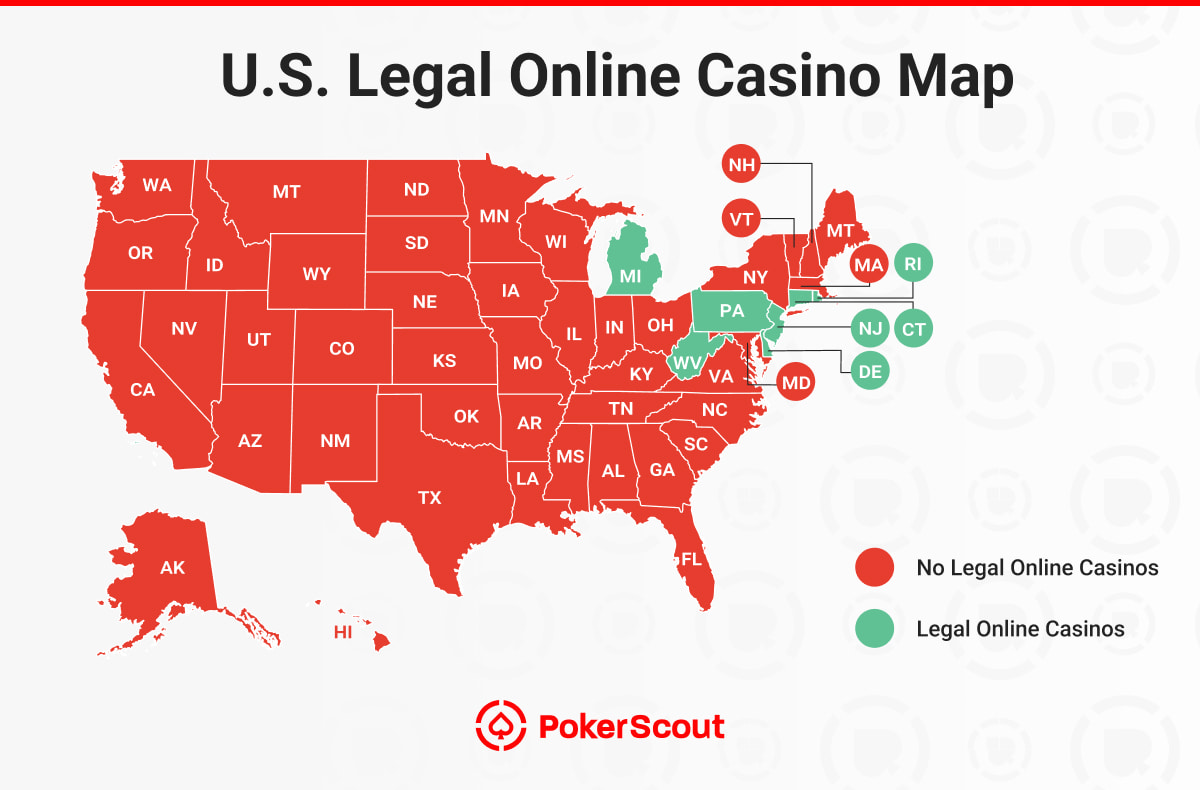
Then you have regions like Ontario (Canada), various U.S. states (New Jersey, Michigan, Pennsylvania), and parts of Europe like Sweden and the Netherlands. These are often “closed” or highly specific markets. You can’t just get a Malta license and operate in Ontario. You need the local license, full stop.
The process here is… intense. It’s hyper-focused on local consumer protection, tax contributions, and partnerships with existing land-based entities. The barrier to entry is high, but so is the reward: direct access to a newly regulated, hungry player base.
The “Offshore” or “Gray” Jurisdictions
Curacao, Costa Rica, Panama. These are often faster and cheaper to obtain. That’s the appeal. But here’s the deal: they come with baggage. Many regulated markets explicitly block operators holding only these licenses. Your banking and payment processing options can be limited. And the player trust factor? Well, it’s not the same.
For some business models targeting certain regions, they can be a starting point. But they’re rarely a long-term solution for a brand wanting serious global reach.
Core Regulatory Pillars You Can’t Ignore
Across all regions, regulators are zeroing in on a few non-negotiable areas. Think of these as the pillars holding up your license application—if one is weak, the whole thing crumbles.
- Know Your Customer (KYC) & Anti-Money Laundering (AML): This isn’t just a tick-box exercise anymore. You need robust, automated systems to verify player identity, source of funds, and monitor for suspicious activity. The fines for failure here are astronomical.
- Responsible Gambling & Player Protection: This is arguably the hottest button. Tools for deposit limits, time-outs, self-exclusion, and reality checks are mandatory. Regulators want to see you actively promoting safe play, not just burying a link in the footer.
- Technical Compliance & Game Fairness: Your games must be certified for Random Number Generator (RNG) fairness by approved testing labs (like eCOGRA, iTech Labs). Your systems need to be secure, your data protected under regulations like GDPR. It’s a technical audit of your entire infrastructure.
- Financial Requirements: Be ready to prove substantial operating capital. You’ll also need to navigate the complex web of region-specific taxation on Gross Gaming Revenue (GGR). This isn’t pocket change.
The Real-World Application Maze
Okay, so you’ve picked a target market and understand the pillars. What does the actual process look like? It’s… a lot.
| Phase | What It Involves | Typical Timeline |
| Pre-Application | Business plan, financial projections, corporate structure setup, choosing key suppliers (platform, games) who are also licensed. | 1-3 months |
| Formal Application | Submitting reams of documents: personal history of owners/directors (fit & proper checks), financial statements, compliance manuals, technical schematics. | Submission & initial review: 1-2 months |
| Due Diligence & Review | Deep background checks, interviews, system testing by the regulator or their appointed agents. This is where most delays happen. | 3-9+ months |
| Approval & Launch | Payment of licensing fees, final compliance sign-off, and the green light to go live. But the scrutiny continues forever. | 1 month post-approval |
The cost? It varies wildly. From tens of thousands for some jurisdictions to well over half a million for a major one, not including ongoing fees, taxes, and compliance staff. You need a dedicated team or expert legal counsel—this isn’t a DIY project.
Current Trends Shaping the Journey
The regulatory sea is never calm. Right now, a few big waves are hitting operators:
Advertising Crackdowns: Many regions (the UK, Italy, the Netherlands) are severely restricting bonus offers and ad placements. The era of blanket TV ads is fading. Marketing compliance is now a minefield.
The “Point of Consumption” Tax Model: This is becoming the norm. It means you pay tax based on where the player is physically located, not where your license or server is. It simplifies some things but complicates financial reporting.
Technology as a Double-Edged Sword: While tech enables compliance (AI for fraud detection, seamless KYC), it also raises the bar. Regulators expect sophisticated, real-time systems. And then there’s crypto—a whole new frontier some are embracing and others are banning outright.
Final Thoughts: It’s a Commitment, Not a Checkpoint
Here’s the honest truth. Obtaining a gambling license isn’t the finish line. It’s the starting gate. Regulatory compliance is a continuous, operational cost of doing business. Your systems must be monitored, your staff trained, your policies updated with every regulatory change.
For a new operator, the path is daunting. But viewing regulations as a burdensome obstacle is the wrong mindset. In fact, a robust regulatory framework—as costly and complex as it is—legitimizes the industry. It protects players, which in turn builds sustainable, long-term businesses. It separates the serious operators from the fly-by-night outfits.
The key is to start with a clear, narrow focus. Don’t try to boil the ocean. Target one or two markets you truly understand, secure the appropriate license, and build from a foundation of compliance. Because in this industry, the most valuable asset you have isn’t your game portfolio. It’s your license to operate.